
When you’re running a small business, there’s always a list as long as your arm of things to sort out. Stock, staff, the website, the accounts, the endless emails. So it’s no surprise that signage often slips down the list. It’s one of those things you put up once and then forget about for years.
But here’s the thing. Your sign might be working harder for you than almost anything else, or it might be quietly letting you down. And most of the common mistakes are dead easy to avoid once you know what to look for. So I’ve put together a few practical tips to help you get your signage right, whether you’re starting fresh or thinking about an upgrade.
Grab a cuppa, this one’s a useful one to bookmark.
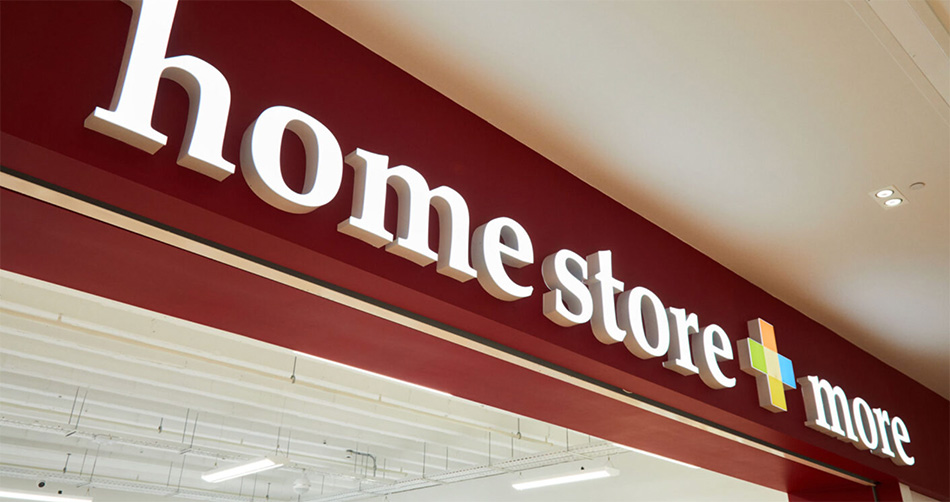
1. Make it readable from a distance
This sounds obvious, but you’d be amazed how many signs fall down here. Your sign needs to be clear from across the road, from a moving car, and at a quick glance. If someone has to stop and squint to figure out what you are, you’ve already lost them.
Keep the main message simple. Your business name and what you do is usually plenty for the big fascia sign. Resist the urge to cram in your phone number, your website, your opening hours and three slogans all at once. There’s a place for that detail, but the main sign isn’t it. Clean and clear beats busy and cluttered every single time.
A good test? Stand well back, or get someone to drive past slowly, and see if you can take it in within a couple of seconds. If you can’t, simplify.
2. Pick colours that actually stand out
Colour does a lot of heavy lifting in signage. The right combination grabs attention and makes your text easy to read. The wrong one makes your sign blend into the building, the street, or worse, become a strain to look at.
Contrast is your friend here. Dark text on a light background, or light text on a dark background, reads much more easily than two similar tones fighting each other. And think about your surroundings too. If every shop on the row is using the same muted colours, a bit of contrast helps you pop. Just keep it on-brand so it still feels like you.
3. Match the style to your business
Your signage is part of your personality. It sets the tone before anyone walks in. A fancy restaurant, a kids’ play centre and an accountancy firm should all look quite different, and that’s a good thing.
Think about the impression you want to give. Reliable and professional? Fun and friendly? Premium and polished? Your fonts, colours and finish should all nudge people towards that feeling. When your sign matches the experience inside, everything feels more joined-up and trustworthy. When it clashes, people get a slightly confused signal, even if they can’t put their finger on why.
4. Don’t forget about night-time
Your sign has a day job and a night job. In daylight, most signs do fine. But once it gets dark, a non-lit sign basically vanishes. And in Ireland, with our long winter evenings, that can mean you’re invisible for a big chunk of your trading day.
If evenings matter to your business, it’s well worth looking at illuminated options like lightboxes or neon-style LED lettering. They keep you visible after dark and make your place look warm and open when everything around it is dim. Modern LED versions are cheap to run and last for years, so it’s not the big ongoing cost people sometimes assume. There’s a good rundown of the different signage options if you want to get a feel for what’s out there.
5. Invest in quality, because cheap gets expensive
I know, I know, budgets are tight and every euro counts when you’re running a small business. But signage is one of those areas where going too cheap usually costs you more in the long run. A low-quality sign fades, peels, cracks or warps, and before long you’re paying again to replace it.
A well-made sign using proper materials will look sharp for years and hold up against our lovely weather. Think of it as a long-term investment in how your business looks rather than a one-off expense. A sign that still looks crisp five years on is far better value than a cheap one you’re embarrassed by after eighteen months.
It’s also about how you come across. A faded, peeling sign sends a message you don’t want to send, that maybe things are a bit neglected. A crisp, well-kept one says you’re on top of your game. Customers pick up on that stuff, even subconsciously.
6. Get it fitted properly
Here’s one people don’t think about until something goes wrong. A sign isn’t just about how it looks, it’s also about how it’s installed. A badly fitted sign can sit crooked, let water in, or in the worst cases come loose, which is a genuine safety issue when it’s hanging over a public footpath.
This is why it’s worth using a sign maker who handles the installation as well as the design and manufacture. When the same team looks after the whole job, everything’s measured properly, made to fit, and fitted securely. You’re not left coordinating between different people or hoping it all comes together on the day. It just gets done right.
7. Think about all your signage, not just the front
The big fascia sign out front gets all the attention, and fair enough, it’s important. But there’s often more to it. Directional signs, window graphics, nameplates, opening-hours signs, signage inside the premises, even signs on your van. They all add up to how professional and consistent your business looks.
You don’t have to do everything at once. But it’s worth thinking about the full picture so it all works together. Consistent branding across all your signage makes a small business look polished and well-run, the kind of place people trust. Little touches like a tidy nameplate or clear window lettering can make a surprising difference.
A quick word on keeping it maintained
Here’s a bonus tip that doesn’t quite make the main list but matters all the same. Once your signage is up, give it a bit of love now and then. A quick clean keeps it looking sharp, and it’s worth glancing up every so often to check nothing’s faded, cracked or come loose. Weather and time take their toll on everything that lives outdoors, and your sign is no exception.
If you’ve gone for illuminated signage, keep an eye on the lighting too. A lightbox or neon sign with a section that’s gone dark looks worse than no light at all, because it reads as neglected. The good news is that quality modern signage needs very little looking after, and a decent sign maker can sort any repairs quickly if something does go. A two-minute check every few weeks is usually all it takes to keep everything looking its best.
Where to start if your signage needs a refresh
If you’ve read through this and thought “ah, my sign could do with some work,” don’t worry, you’re in good company. Loads of small businesses are getting by with signage that’s seen better days, simply because it’s easy to overlook. The good news is that sorting it out is one of the more affordable and high-impact improvements you can make.
My advice would be to talk to a proper sign specialist rather than trying to muddle through it yourself. They’ll look at your premises, your brand and your budget, and help you figure out what’ll actually work, whether that’s a fresh fascia, illuminated lettering, a lightbox or the full lot. A good one will have seen it all before and can steer you away from the common mistakes.
For example, Academy Signs have been designing, making and installing signage for businesses across Ireland for over 35 years, covering everything from fascias and lettering to lightboxes and neon. That kind of experience is exactly what you want in your corner, because they know what holds up and what works on a real street.
Getting your signage right is one of those jobs that pays you back every single day, quietly bringing people in and making your business look its best. If yours could use a bit of attention, it’s worth having a proper look at your options. Head over to academysigns.com to see what they do and get the ball rolling.